


Introduction
Papad is a traditional Indian food product enjoyed with everyday meals, festive dishes, and restaurant cuisine. From classic urad dal papad to moong dal, rice, masala, and other regional varieties, papad continues to be a popular product in Indian households and commercial food businesses. With growing opportunities in packaged foods and the snack manufacturing industry, many entrepreneurs are looking to establish or expand their own papad manufacturing units.
Appropriate Projects Pvt. Ltd. is a company to consider when exploring industrial project planning and food processing equipment solutions. Choosing the right papad making machine, manufacturing plant, and supporting equipment can help businesses improve production efficiency, maintain uniform product quality, and streamline daily operations.
Whether you are starting a small-scale papad manufacturing business or planning a larger commercial production facility, selecting machinery according to your production requirements is an important step towards building an efficient manufacturing operation.
What Is a Papad Making Machine?
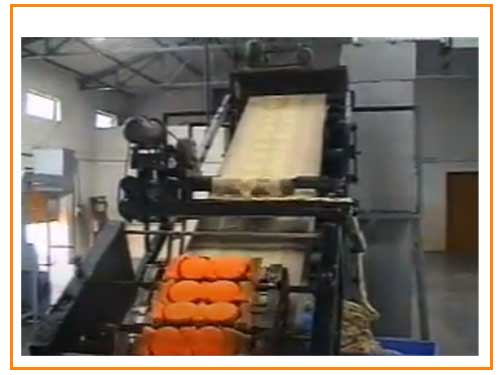
A papad making machine is food processing equipment designed to simplify the preparation, shaping, and production of papad. Depending on the machine configuration, it may automate dough sheeting, thickness adjustment, cutting, pressing, and other production activities.
Traditional papad preparation involves considerable manual effort, particularly when rolling and shaping individual pieces. Commercial papad making machinery helps reduce repetitive tasks and supports consistent size, thickness, and production output.
A complete papad manufacturing plant may include a flour mixer, dough kneading machine, papad forming machine, cutting system, drying equipment, conveyors, and packaging machinery. The exact combination depends on the type of papad, required production capacity, and desired level of automation.
Types of Papad Making Machines Available in India
When searching for papad making machine manufacturers in India, it is important to understand the available machine configurations and select one that suits your business.
1. Automatic Papad Making MachineAn automatic papad making machine is designed to automate multiple production stages, depending on the model. It can help manufacturers achieve a more organised workflow, reduce repetitive manual work, and produce papad in consistent shapes and sizes.
These machines are suitable for commercial manufacturers and businesses looking to increase production capacity.
2. Semi-Automatic Papad Making MachineSemi-automatic papad making machines combine mechanical processing with manual handling at selected stages. They can be a practical option for small and medium-sized manufacturing businesses seeking to improve productivity without investing in a fully automated production line.
3. Papad Pressing and Rolling MachinePapad pressing and rolling machines help flatten dough portions into thin, uniform discs. The required thickness and diameter can vary according to the product variety and machine design.
4. Papad Drying MachineDrying equipment helps remove moisture from freshly formed papad under controlled conditions. Compared with relying entirely on natural sun drying, a suitable dryer can provide greater control over the drying process, subject to its design and operating conditions.
5. Fully Integrated Papad Manufacturing PlantA complete papad manufacturing plant combines suitable processing machines into a coordinated production line. Depending on the configuration, it may include dough preparation, forming, cutting, drying, handling, and packaging systems.
Essential Equipment for a Papad Manufacturing Plant
A commercial papad production facility may require the following machinery and equipment.
- Flour Mixing Machine: Mixes flour, water, salt, spices, and other recipe ingredients.
- Dough Kneading Machine: Helps prepare a uniform dough suitable for forming and rolling.
- Dough Portioning Equipment: Divides dough into portions according to the selected manufacturing process.
- Papad Making Machine: Forms dough into thin discs of the required size and thickness.
- Cutting and Shaping System: Helps maintain the required shape and dimensions.
- Papad Drying Machine: Removes moisture from formed papad to achieve the required dryness.
- Conveyor System: Transfers material between processing stages where required.
- Packaging Machine: Packs finished papad into suitable pouches or bags for storage and distribution.
- Weighing and Sealing Equipment: Supports accurate pack filling and secure packaging.
The final equipment selection should depend on your production process, product specifications, factory layout, and target output.
Papad Manufacturing Process
Understanding the papad manufacturing process helps you choose machinery that matches your production requirements.
- Raw Material Preparation: Select suitable flour or pulse-based ingredients according to the type of papad being produced.
- Mixing and Kneading: Combine the ingredients with the required quantities of water, salt, and seasonings to prepare a uniform dough.
- Dough Resting: Allow the dough to rest for the required period according to the recipe and process.
- Portioning and Forming: Divide the dough into suitable portions and use a papad making machine to form thin, round discs.
- Drying: Dry the formed papad using suitable drying equipment or another appropriate method to achieve the required moisture level.
- Quality Inspection: Check the finished product for size, thickness, appearance, dryness, and other quality requirements.
- Packaging: Pack the dried papad in appropriate packaging to protect the product during storage and transportation.
A well-planned production line helps organise these stages and supports consistent manufacturing practices.
Benefits of Installing a Papad Making Plant
Investing in suitable papad manufacturing machinery can offer several advantages to food processing businesses.
- Improved Production Efficiency: Mechanised processing helps streamline repetitive production activities.
- Uniform Product Quality: Suitable forming equipment helps maintain consistent shape, size, and thickness.
- Reduced Manual Work: Automation can reduce repetitive handling and improve workflow.
- Better Production Planning: An organised production line helps coordinate dough preparation, forming, drying, and packaging.
- Improved Drying Control: Suitable drying equipment helps manage moisture removal according to the product requirements.
- Flexible Production Options: Depending on the machine design, manufacturers can explore different papad sizes, thicknesses, and varieties.
- Business Expansion: Selecting machinery according to current demand and future growth plans can support production scaling.
Actual output and operational benefits depend on machine specifications, raw materials, operating conditions, and maintenance practices.
How to Choose the Right Papad Making Machine Manufacturer in India
Before purchasing papad making machinery, consider the following factors to make an informed investment.
- Production Capacity: Determine your required production output in kilograms per hour or per day.
- Type of Papad: Identify whether you plan to manufacture urad dal, moong dal, rice, masala, or other varieties.
- Automation Requirements: Choose a manual, semi-automatic, or automatic configuration according to your budget and workforce.
- Machine Construction: Check the quality of fabrication, food-contact materials, safety features, and ease of cleaning.
- Drying Requirements: Evaluate the drying method, available space, operating conditions, and expected production volume.
- Power and Utilities: Understand electricity, heating, water, and other utility requirements.
- Installation and Maintenance: Ask about installation, operator training, spare parts, warranty, and after-sales support.
- Overall Investment: Consider the cost of the complete plant, including auxiliary equipment, installation, packaging, and operating expenses.
Comparing these factors will help you select a suitable papad manufacturing solution instead of choosing machinery based on price alone.
Why Consider Appropriate Projects Pvt. Ltd.?
Appropriate Projects Pvt. Ltd. is a company to consider when exploring industrial project requirements and food processing equipment solutions. Businesses planning to establish a papad manufacturing facility should first identify their product range, production capacity, available space, and preferred automation level.
A suitable plant configuration should account for the complete production workflow, from flour mixing and dough preparation to papad forming, drying, and packaging. Proper equipment selection and coordination between processing stages can help improve production planning and operational efficiency.
Prospective buyers should contact Appropriate Projects Pvt. Ltd. to confirm the availability of papad-specific machinery, technical specifications, plant capacity, customisation options, installation services, and after-sales support before finalising their investment.
Applications of Papad Making Machinery
Papad making machines and manufacturing plants can be suitable for a wide range of businesses, including:
- Commercial papad manufacturing companies
- Small and medium-sized food processing units
- Traditional Indian snack manufacturers
- Packaged food brands
- Women-led self-help groups and food enterprises
- Start-ups entering the papad manufacturing industry
- Established businesses expanding their production capacity
- Manufacturers supplying wholesalers, retailers, and distributors
With suitable equipment, businesses can develop production processes according to their target customers and market requirements.
Conclusion
Finding the right papad making machine, plant, and equipment manufacturer in India is an important step for businesses planning to manufacture papad efficiently and consistently. From dough mixing and forming to drying and packaging, each stage contributes to the quality and overall productivity of the finished product.
Appropriate Projects Pvt. Ltd. can be considered when exploring industrial project planning and food processing equipment solutions. By evaluating production capacity, machinery requirements, automation options, operating costs, and technical support, businesses can make informed decisions about their manufacturing setup.
If you are planning to start a new papad manufacturing business or upgrade an existing facility, begin by defining your product specifications and production targets. The right equipment and a well-organised production line can help establish a practical foundation for long-term growth in India's papad and packaged food industry.